Loads change. The machine gets bigger, the job gets longer, the new toy doesn't fit the old deck — and suddenly a perfectly good trailer is six inches too short. Depending on the trailer's frame, axle placement, weight rating and overall condition, a trailer can often be modified to give you more usable length: extensions added at the front or rear, decks reworked, framing reinforced or reshaped to suit a new load.
And sometimes the honest answer is a longer trailer. If the frame is light-gauge, rusted or tired, money spent stretching it is money wasted — we'll tell you which side of that line yours is on from a photo. But when the bones are good, modifying what you own can beat replacing it.
Where a trailer can be extended
- Forward extension. New deck built ahead of the original, over the tongue — space most trailers waste entirely. Weight added here lands ahead of the axle, so tongue weight goes up, and the tail lights and rear gate stay untouched.
- Rear extension. The obvious direction: more deck behind the axle. It works — but load parked back there lightens the tongue, and lights, plate and wiring have to move to the new tail. It takes more planning than it looks.
- Deck modification. Sometimes the frame is fine and it's the deck that's wrong — too narrow, broken up by fenders, or built for a different job. Reworking the deck over the existing frame can buy usable space without touching the trailer's length.
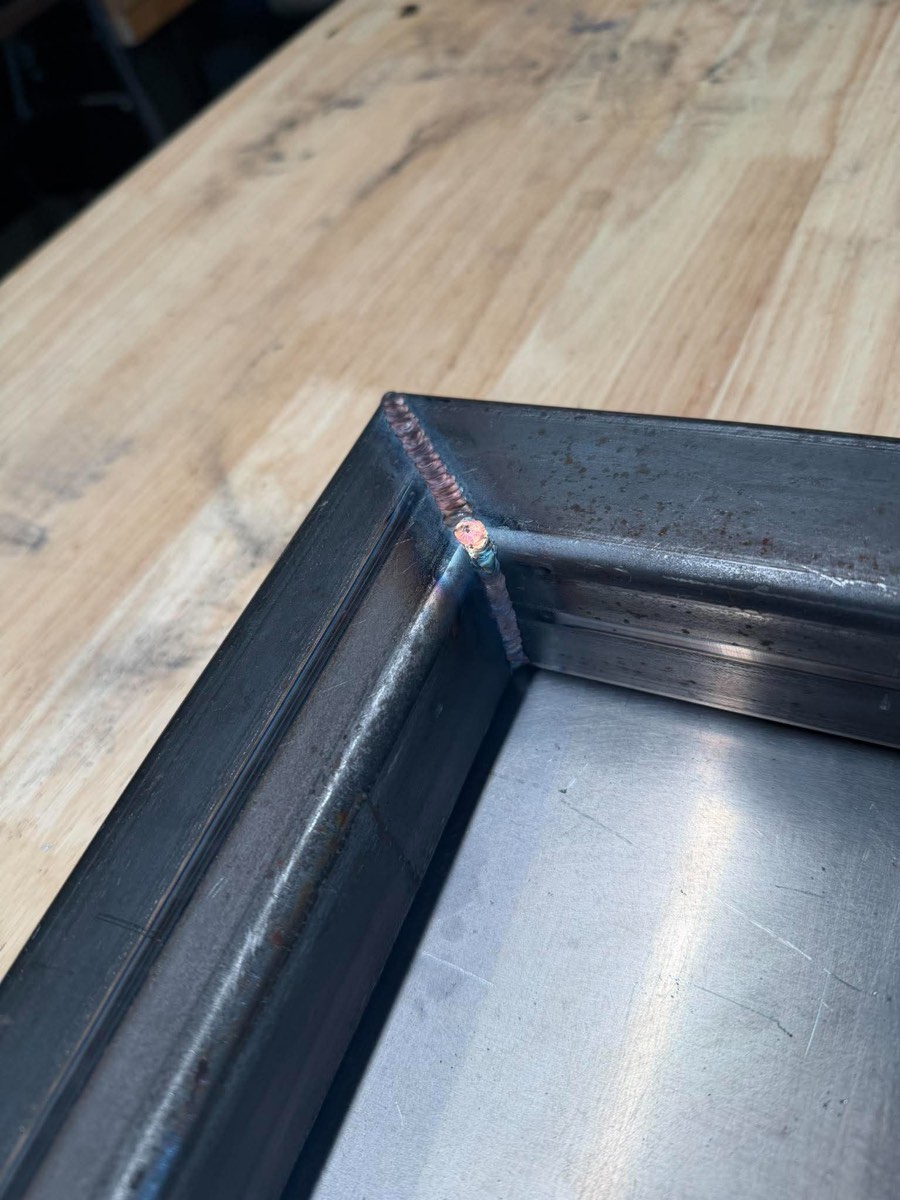
- Frame extension and reinforcement. Stretching the chassis members themselves: matched steel, splices welded through — not surface beads — and gussets where the loads concentrate. This is what separates an extension from a hinge with paint on it.
- Axle relocation, when required. If the numbers say the balance point itself has to move, the axle gets repositioned. It's the biggest version of the job, and occasionally it's the right one.
What decides the right answer
Every one of these choices is really a balance decision. A trailer tows straight because roughly 10–15 per cent of its loaded weight presses down on the hitch; the axle is the pivot everything works around. What the correct solution looks like depends on:
- Load position — where the weight of what you haul actually sits, not where the deck ends.
- Axle location — the pivot point every added inch works for or against.
- Tongue weight — too little and the trailer sways at speed; too much and the truck squats.
- Trailer GVWR — an extension adds room, never capacity. The rating doesn't grow with the deck.
- Tow vehicle — its hitch and tongue-weight limits are part of the arithmetic.
- Coupler and tongue configuration — what's up front shapes what can be built there.
- Lighting — the law wants lights at the tail; some extensions move the tail.
- Ramp and gate location — a rear extension changes how everything loads.
- Frame construction — tube size, wall thickness and condition decide what the trailer can accept.
None of this needs to be your problem to solve — it's ours. It's why this kind of job starts with a tape measure and a photo, not a cut list.
A recent build: forward extension for a side-by-side
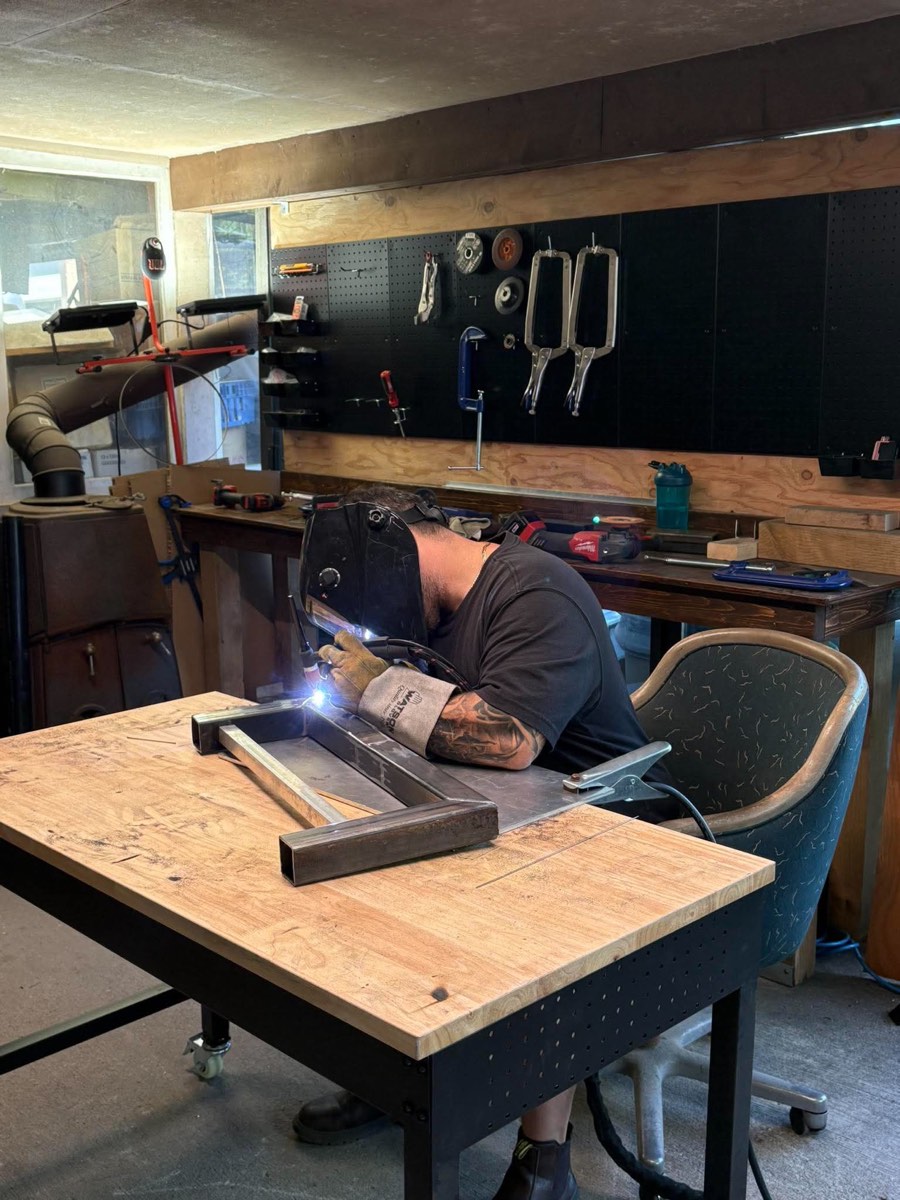
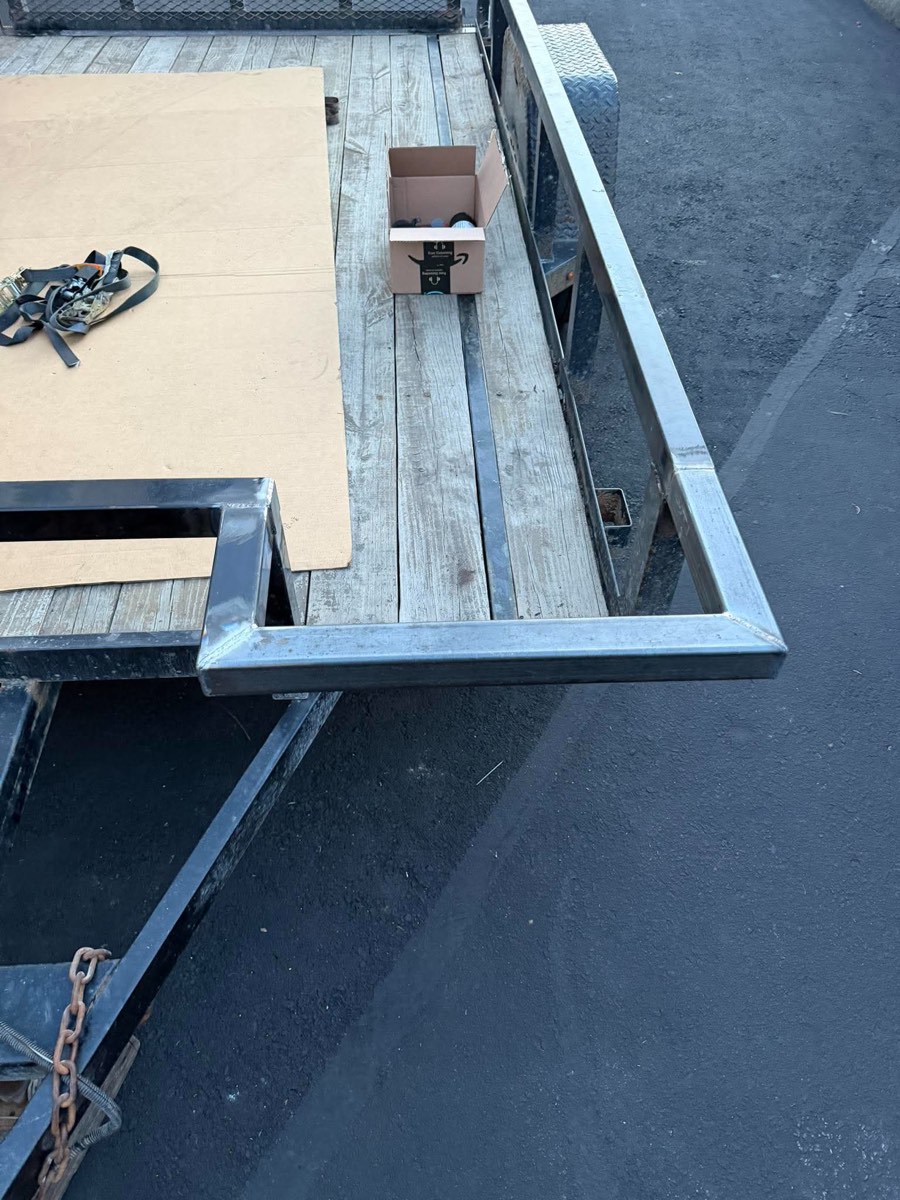
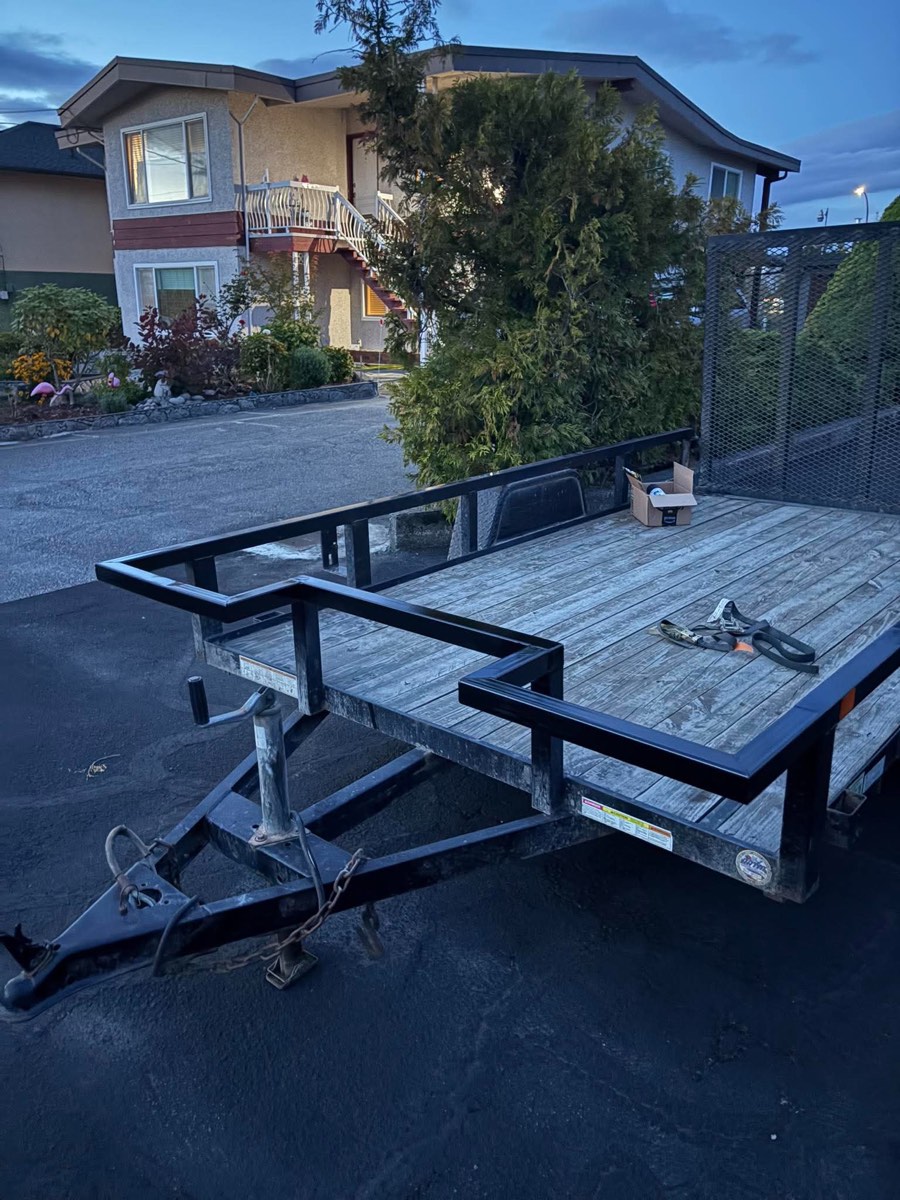
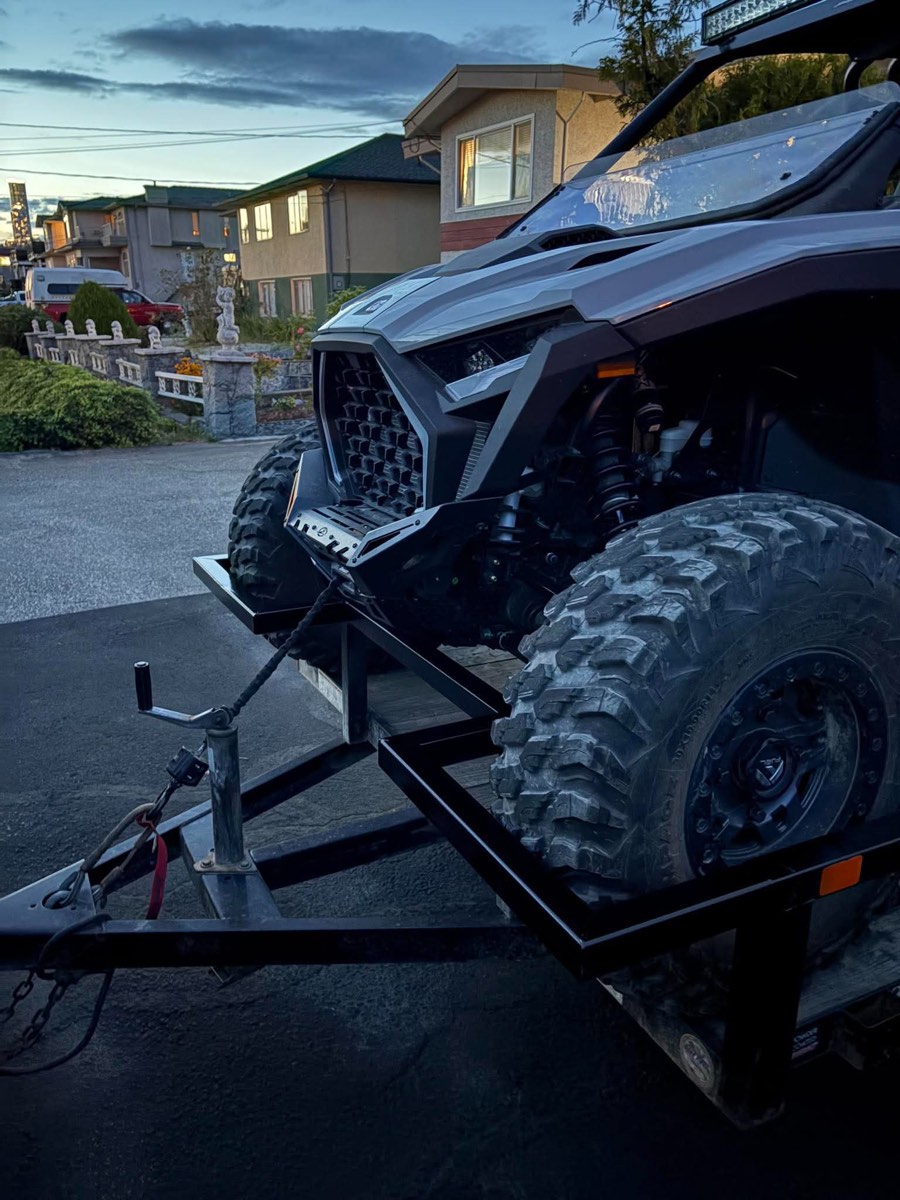
On one of our recent projects, a forward extension was the best solution — it gave the customer the usable deck space he needed without relocating the axle or rebuilding the rear of the trailer. The machine had outgrown the deck; the trailer itself was solid steel and worth the work.
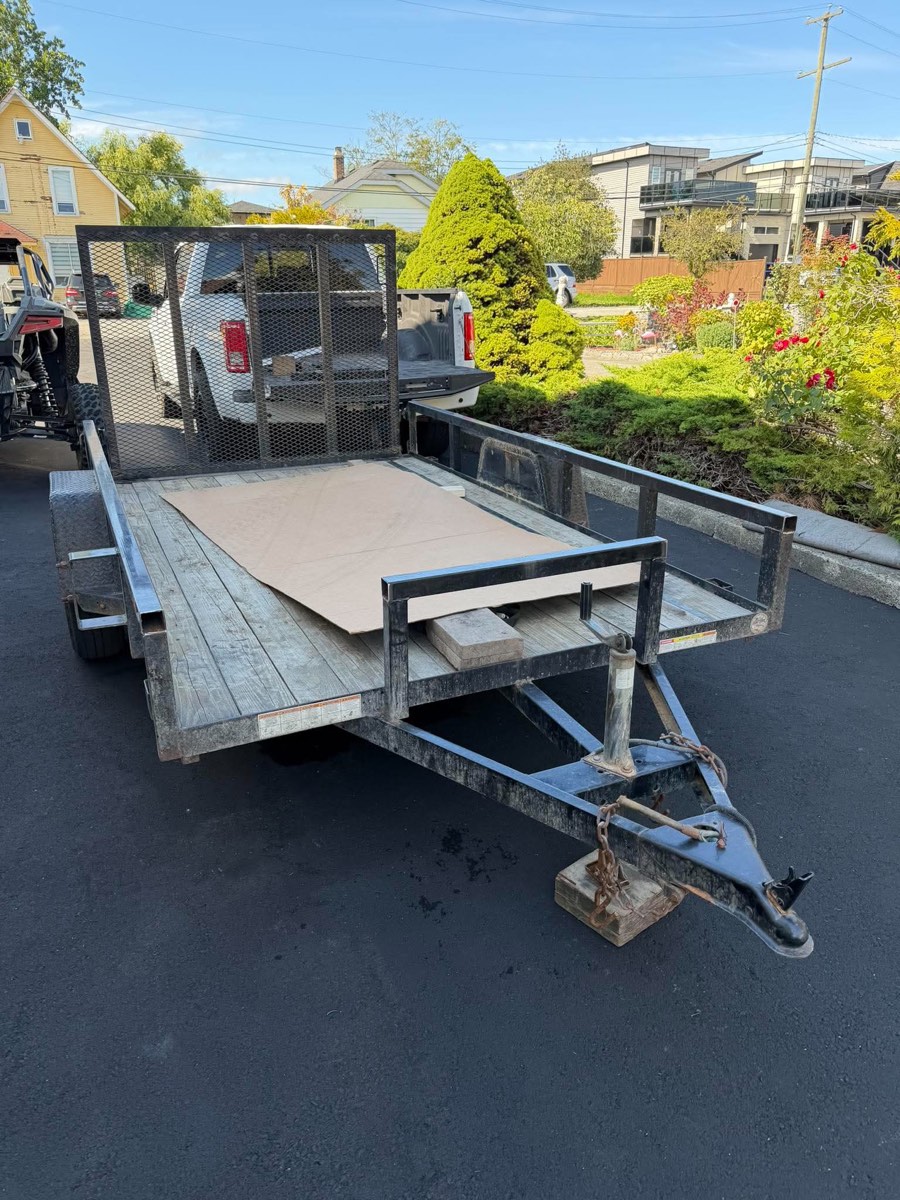
The new platform went ahead of the original deck, stepped around the tongue hardware so the jack still swings and the coupler still does its job. The machine's lighter end rides out there, so tongue weight went up — planted, not overloaded — and the tail lights and ramp gate never moved.
Room, not capacity — and one boring phone call
Worth repeating: an extension adds room, not capacity. The axle and the trailer's weight rating don't change because the deck got longer, so the loading math stays the loading math. And a modified trailer is worth a quick conversation with your insurance or Autoplan broker before the first long tow — boring, cheap, and much better than the alternative.
Thinking about stretching yours? Send us:
- Trailer: deck length and width, plus a photo of the frame (from the side and underneath if you can)
- What you're hauling: overall length — racks, spares and attachments included — and roughly what it weighs
- What's towing it
We'll tell you straight which kind of extension fits — or whether a longer trailer is the smarter money.
Photos and measurements go through the quote form — free quote, reply within a day. Towing one that's been modified or repaired before? Run the five-minute pre-tow walk-around before the next trip, and if you've spotted a crack anywhere on yours, the trailer repair guide covers what happens next.